
Prevention

Health maintenance based on scientific principles

Free consultation

Why choose the Széchenyi Medical Spa?

Prevention

The key: regular movement and therapeutic bathing!

Preventing musculoskeletal diseases is easier than many people think. It is worth taking care of ourselves in advance, as with age the gradual degradation of joint cartilage begins as a natural process. Over time this can lead to neck, lumbar spine, hip, knee, or shoulder pain — to mention just the most common complaints.

In recent years we have observed that more and more people, and increasingly younger individuals, are turning to our Medical Spa. Medical histories often reveal a sedentary lifestyle with little physical activity, which accelerates the development of cartilage wear.

The articular cartilage covering the bone ends has no direct blood supply; it receives nutrients by diffusion from the joint fluid and from the bone ends. Regular muscle contraction is essential for this process, as it “pumps” nutrients towards the cartilage. Without adequate movement, cartilage metabolism slows, nutrient supply decreases, and degeneration can begin even at a young age.

Thermal bathing and balneotherapy treatments provide excellent opportunities to prevent and slow these processes.

Warm water and mineral content have vasodilating effects, improving blood and lymphatic circulation, stimulating metabolism, strengthening muscles, relaxing tense muscle knots, and stabilising the joints. Together, these effects counteract the harmful consequences of inactivity and support the body’s natural regeneration.

It is therefore worthwhile to use this natural treasure consciously for preventive purposes. With regular use of thermal water and spa treatments, we can do a great deal to preserve the long-term health of our musculoskeletal system.


Health maintenance

Our everyday lives are constantly permeated by stress — meaning that our nervous system receives too many stimuli in too short a time.

Persistent, chronic stress gradually exhausts the body and may lead to symptoms such as anxiety, sleep disturbances, mood swings, low mood, high blood pressure, headaches, digestive problems, and a weakened immune system.

What is the link between stress and these symptoms?

A part of the brain continuously analyses incoming sensory information to determine whether we are safe or facing potential danger.

Based on the signals received from the sensory organs, it constantly “informs” the central nervous system, which then adjusts the body’s functioning accordingly.

Since our senses are continuously exposed to high-intensity stimuli, the body remains in a state of constant alert. This activates the sympathetic branch of the autonomic nervous system. During this state, the pupils dilate, the heartbeat accelerates, blood pressure rises, muscles become tense, and breathing becomes faster and more shallow. We spend most of our day in this heightened physiological state.

The parasympathetic nervous system is responsible for calmness and regeneration. For this system to become active, we need to engage in activities that stimulate it.

By consciously dedicating time and attention to activating this branch of the nervous system, we can prevent the physical and emotional symptoms caused by stress. If we do not, the body becomes exhausted and eventually falls ill.

Processes regulated by the parasympathetic nervous system:

  • the heart rate slows
  • blood pressure decreases
  • breathing becomes deeper, increasing oxygenation
  • blood is distributed more evenly among the internal organs
  • digestion activates, nutrient processing improves, and bowel function normalises

It is noticeable that during this state the body rests, regenerates, and replenishes its energy. The parasympathetic response is what supports calmness, balance, and renewal — providing the essential counterbalance to everyday tension.

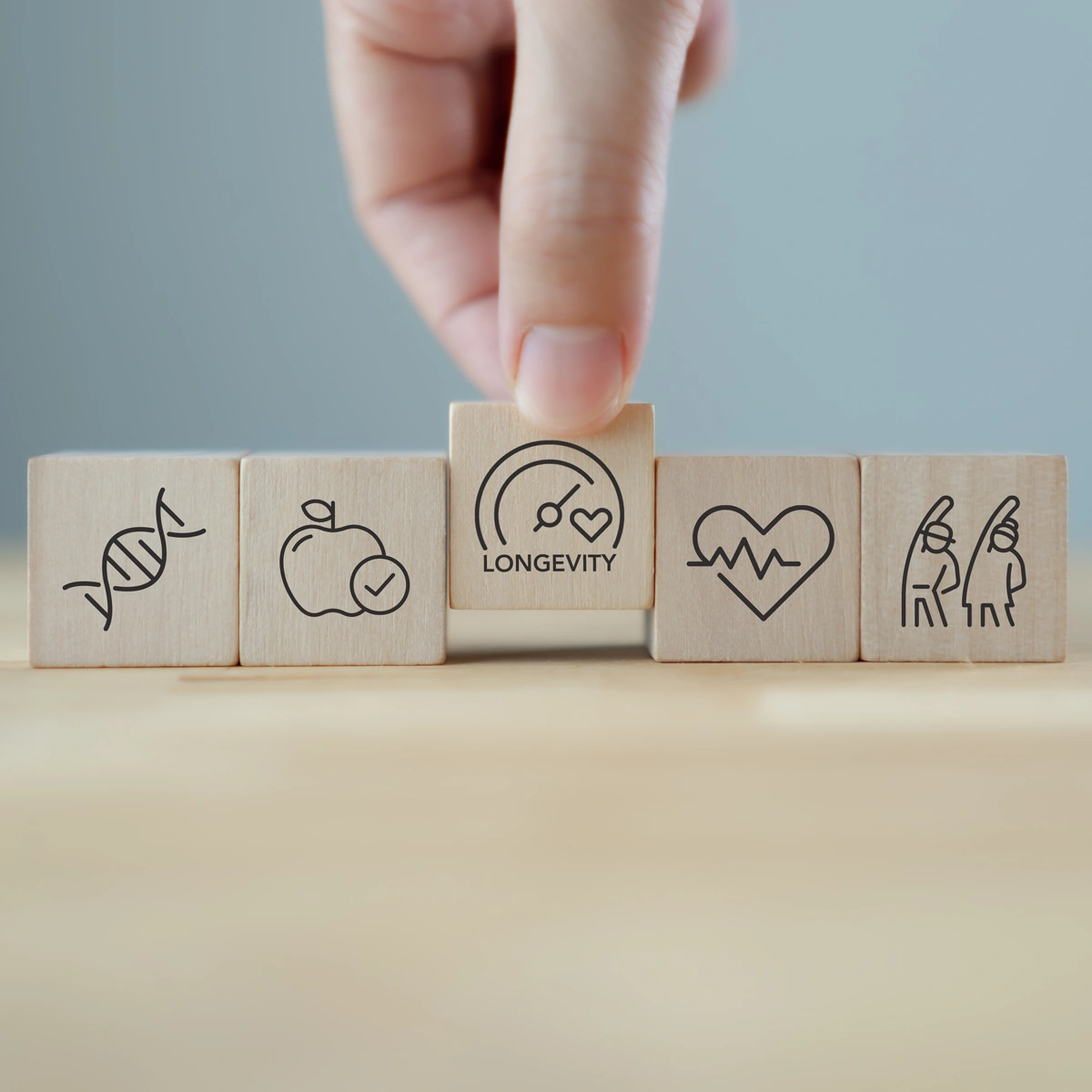
Long, healthy life

The key to lasting wellbeing is creating balance between the two opposing branches of the nervous system: the sympathetic (activating) and the parasympathetic (calming) systems.

The good news is that the parasympathetic nervous system — the one responsible for rest and regeneration — can be trained and fine-tuned. Several methods support this process, such as autogenic training, meditation, yoga, tai chi, and vagus-nerve therapy.

What many people do not realise is that therapeutic bathing and treatments based on thermal water also strongly support this regulatory process.

Let’s explore what happens behind the scenes when the body immerses itself in pleasantly warm thermal water. A range of physiological mechanisms are activated — processes rarely discussed, yet essential for maintaining wellbeing and overall health:

Activation of the parasympathetic nervous system

Warm thermal water shifts the autonomic nervous system toward its resting and regenerative state — the parasympathetic mode. Receptors in the skin stimulate the anterior branch of the vagus nerve, leading to a series of beneficial physiological changes: blood pressure and heart rate decrease, breathing deepens, digestion improves, and muscles relax. Stress hormone levels also fall.

Additional hormonal changes

  • Increased endorphins: These natural painkillers improve mood, relax muscles, and reduce pain.
  • Dopamine: The spa experience stimulates dopamine production in the brain’s reward system, enhancing relaxation and motivating regular bathing.
  • Oxytocin: Warm water and social interactions boost oxytocin release, strengthening feelings of trust, bonding, and calm.
  • Increased serotonin: The “wellbeing hormone” promotes relaxation, emotional balance, and a deep sense of contentment.

Alpha brain waves and relaxation

When we relax in thermal water and close our eyes, the brain shifts into what is known as the alpha wave state. This frequency range is characteristic of calm, relaxed wakefulness. During this state, the muscles loosen, the heartbeat and breathing settle, and the body begins its natural regenerative processes.

Neuroplasticity (the nervous system’s ability to renew itself)

Regular therapeutic bathing has long-term positive effects on the brain’s plasticity — its capacity to adapt and reorganise. The relaxing, stress-reducing effect of the warm water, combined with increased blood flow and improved oxygen and nutrient supply, creates an optimal environment for neural renewal and balanced nervous system function.

Thus, a thermal bath treatment benefits not only the body but also the nervous system. The combination of water, movement, and relaxation stimulates the brain’s adaptive and regenerative abilities — a phenomenon science refers to as neuroplasticity.

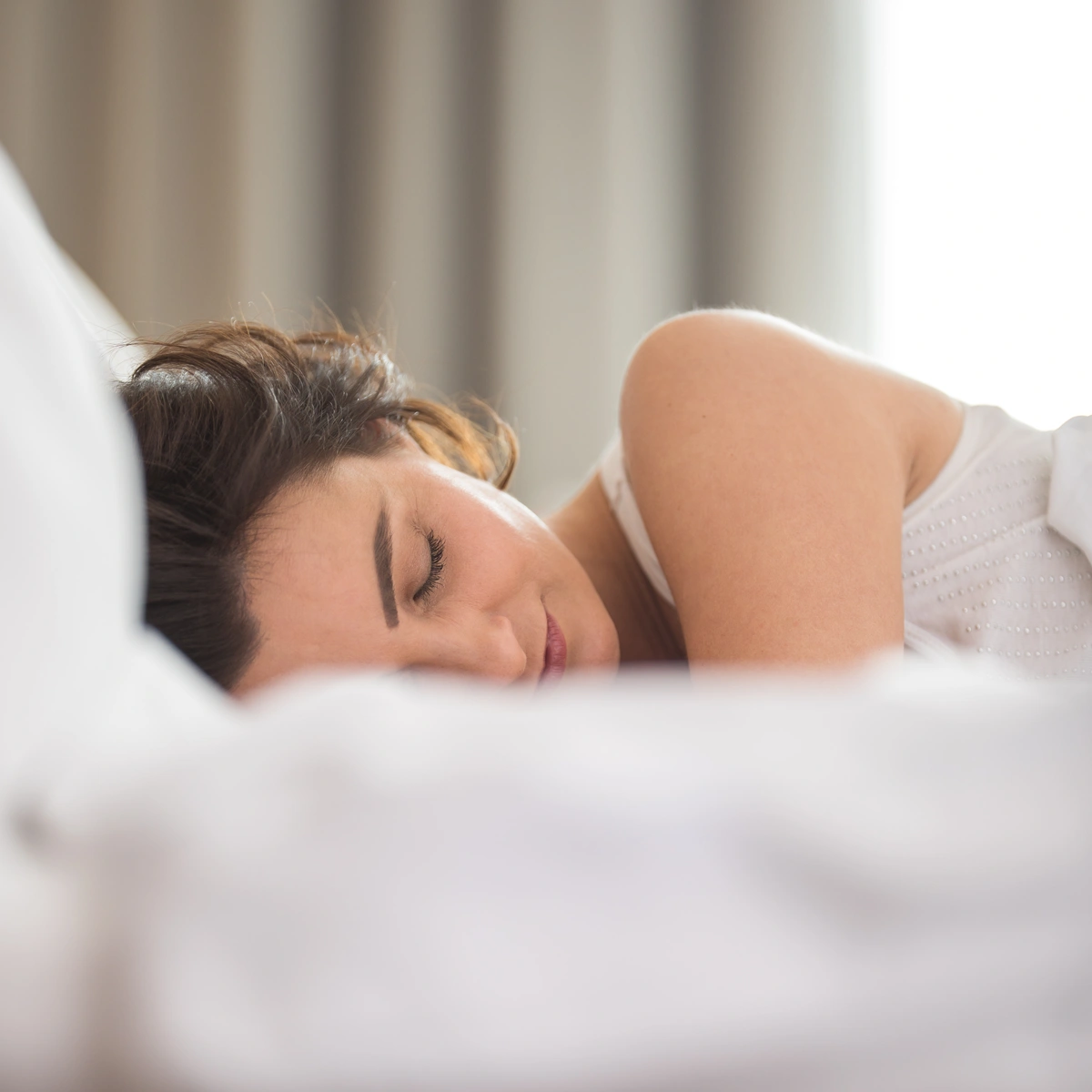
In summary, regular therapeutic bathing offers comprehensive support for physical regeneration, emotional balance, and mental vitality. It reduces stress, restores the balance of the autonomic nervous system, improves circulation and metabolism, strengthens the immune system, and increases the production of endorphins, oxytocin, and serotonin — all essential for emotional stability. It also promotes recovery and supports restful sleep.

This holistic combination of effects makes therapeutic bathing one of the key factors in achieving a long, healthy, and energised life.

Secondary prevention

Healing with lasting results

When a musculoskeletal condition has already developed, patients come to us with specific complaints. Pain and restricted movement often reach a level that significantly disrupts daily life.

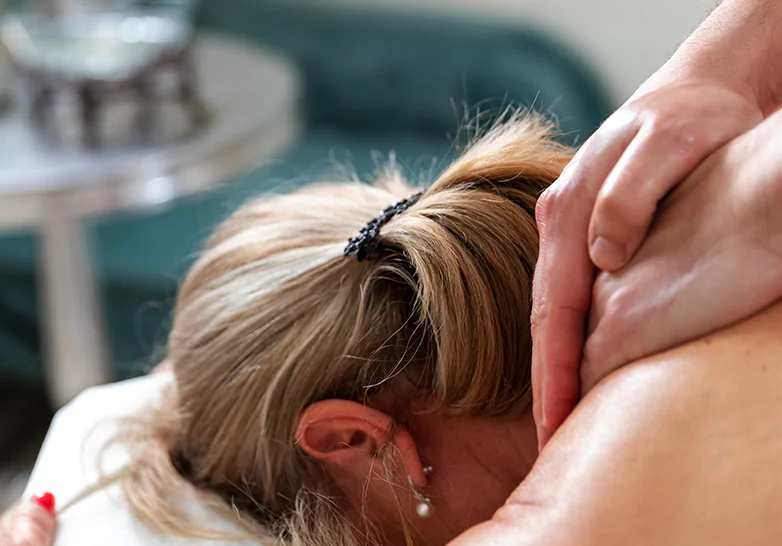
Based on an individual assessment, we create a personalised therapy plan tailored to each patient’s condition. This typically combines thermal pool bathing with a range of balneotherapy treatments.

By the end of the treatment course, during follow-up examinations, almost all of our patients report significant improvement: their symptoms decrease, they require fewer painkillers, and their mobility and physical endurance increase.

Thanks to the balancing effect that thermal water therapies exert on the nervous system, the improvement is not only physical. Many patients report better mood, greater emotional balance, improved sleep, and an overall sense of wellbeing.

According to the consistent experience of physicians working in the Medical Spa, the most common feedback at the end of a 10–15-day treatment course sounds like this:

“I never imagined it would help this much!”

“I feel completely reborn!”

“I feel younger, I sleep well — it's as if I’ve been renewed.”

“The pain is so much better — I barely feel what I came in with!”

These positive changes often encourage patients to return regularly in order to maintain the results.

This is the essence of secondary prevention: slowing degenerative processes, preventing further deterioration, and achieving long-term improvement in quality of life.

Who do we recommend it for?

We recommend the services of our spa to anyone

who wishes to maintain or restore their musculoskeletal health — whether to relieve existing complaints or for prevention — regardless of age or life situation.

We welcome those who work in sedentary jobs and often feel tension in their neck, back, or lower back; people who exercise regularly and value proper muscle recovery; individuals doing physical work who place increased strain on their bodies; as well as those in stressful, mentally demanding professions who seek rest and rejuvenation.

The spa is also an ideal choice

if you currently have no complaints but value prevention and wish to maintain your wellbeing in the long term.

Our services can also be an excellent complement for those who have previously received musculoskeletal therapy in a specialist clinic and now wish to maintain or improve their wellbeing in a calm, more natural environment.

Book a consultation

Do you have a musculoskeletal problem?

Read more about the benefits and solutions offered by the Széchenyi Medical Spa.

Details

Book a free consultation

Our specialists will contact you and arrange the appointment for your specialist examination.

Book a consultation.

Contact us

Our strategic partner: DOKTOR24

With personalised therapeutic packages created by rheumatologists, orthopaedic specialists, and rehabilitation professionals, we provide comprehensive care.